Kablo bağlantı noktalarında korozyonu önlemek için kablo eklem dolgu reçinesi ve epoksi şişeleme bileşiği nasıl kullanılır?
After the cable is peeled, crimped, terminally connected or connected in the middle, the original insulation and sheath structure will change, making the connection parts more susceptible to moisture, moisture, salt mist and dust. If sealing protection is not in place, long-term operation may cause oxidation and corrosion of metal parts, affecting contact and insulation properties.
The key to reducing the risk of corrosion at electrical connections lies in sealing and insulating protection of the connection area. This article will introduce the main causes of corrosion at electrical connections, common protection methods, and the application and selection differences between cable joint filling resin and epoxy potting compound in cable connection sealing.
Why Are Electrical Connections Prone to Corrosion?
This is not the result of a single factor, but the result of the long-term effect of the connecting structure and the external environment.
1. Moisture and moisture enter the connection area
Outdoor cables, underground cables, humid industrial environments and electrical connections in coastal areas can all be affected by moisture for a long time. Moisture may enter the interior through gaps, interfaces or structural gaps in the joint, increasing the risk of corrosion.
2. The original protective structure at the cable connection was damaged
Cables need to be peeled, crimped, connected or branched during the connection process. The originally complete outer sheath and insulation layer will be opened during the construction process. If only the mechanical connection is completed without further environmental sealing of the connection location, the connection location is likely to be corroded.
3. Temperature changes cause changes in sealing interface
The cable will generate a certain amount of heat during operation, and the ambient temperature will also change with the seasons and day and night. Long-term thermal cycling may cause a certain degree of difference in expansion and contraction between different materials.
Therefore, cable connection sealing materials not only need to consider the initial sealing effect, but also need to consider the bonding, mechanical protection and adaptability to temperature changes according to the actual application environment.
How to Prevent Corrosion at Electrical Connections?
From an engineering application perspective, the core idea to prevent corrosion in electrical connections is to reduce the entry of moisture and pollutants into the connection area, while providing stable insulation and mechanical protection.
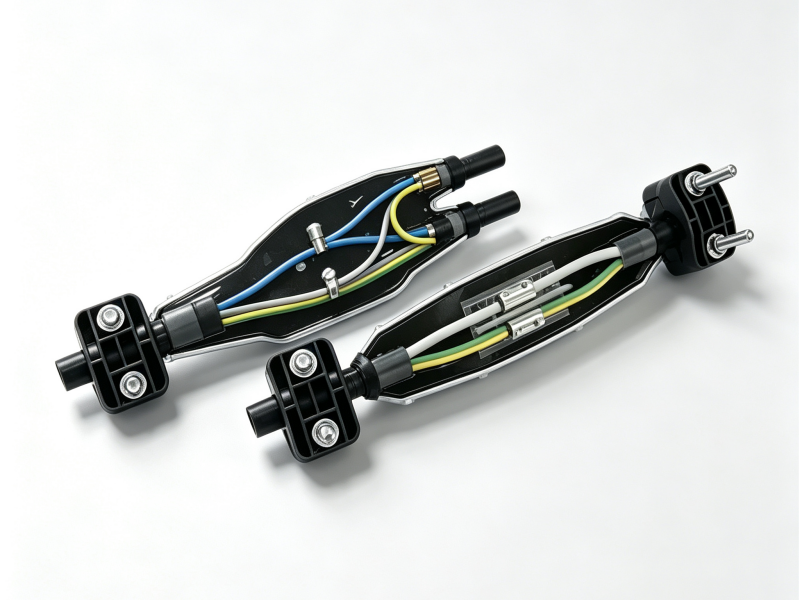
Among them, potting glue is a protective material suitable for cable connections, connectors and some electrical components.
After filling the connection area that needs to be protected, the cured material can cover the connection area and the surrounding space to form a continuous insulating and sealing layer. This protection method does not simply dddhhhwrap the connectiondddhhh, but reduces the chance of the connection area being exposed to the external environment through the combination of the material and the protected structure, and plays a role in sealing, insulating and environmental protection.
How to Choose Cable Polyurethane Potting Glue and Epoxy Bottling Compound?
There is no absolute dddhhhwhich is betterdddhhh between the two. The two materials have their own characteristics in terms of sealing, insulation and connection protection, and the actual selection needs to be combined.
· Cable connection structure
· Use environment
· Temperature changes
· Mechanical vibration
· Flexibility needs
· Hardness after curing
· Construction method
For purchasing customers, instead of simply comparing material types, it is better to first clarify the actual problems that need to be solved at the cable connection, and then select the potting material that matches the working conditions.
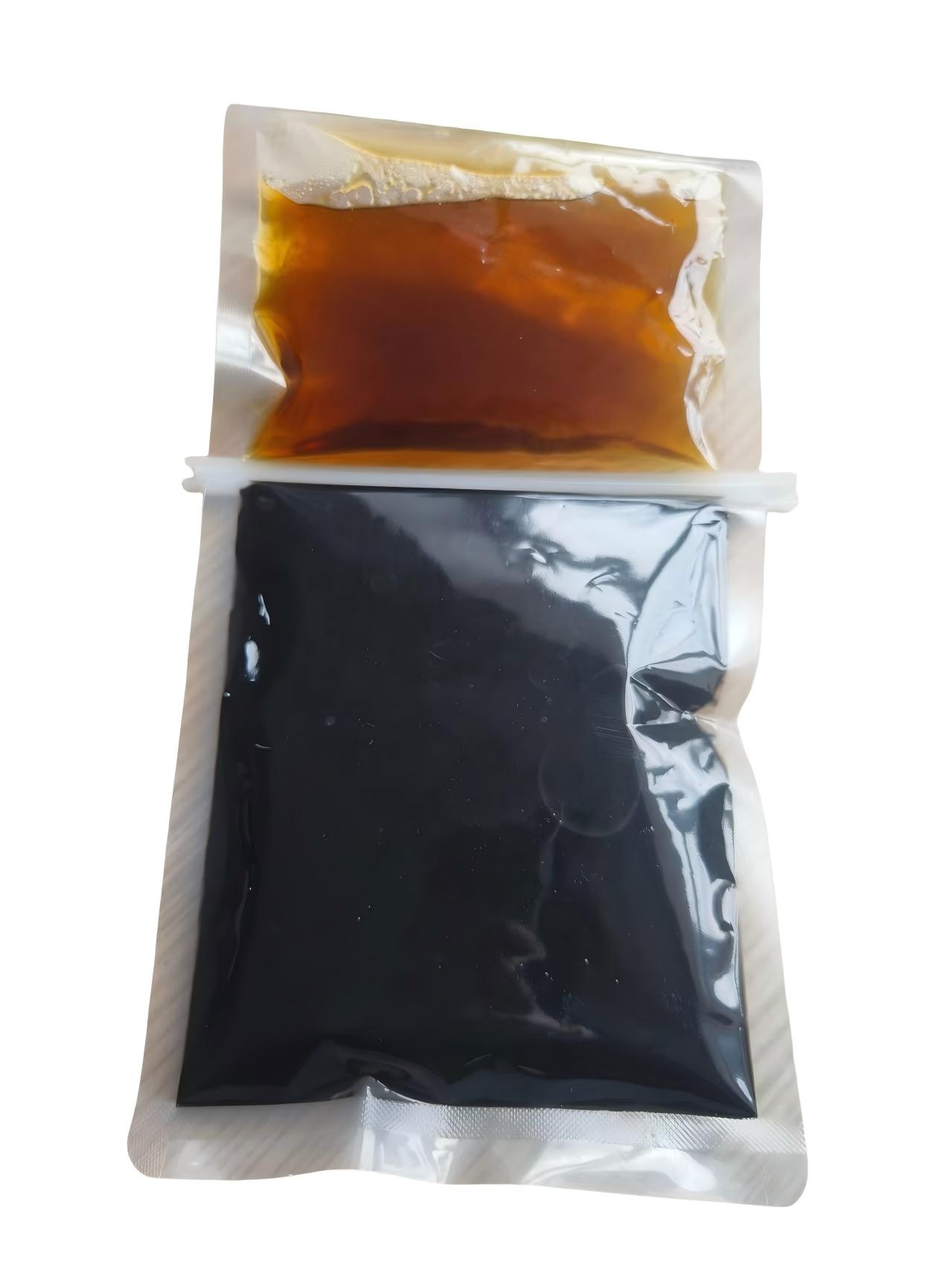
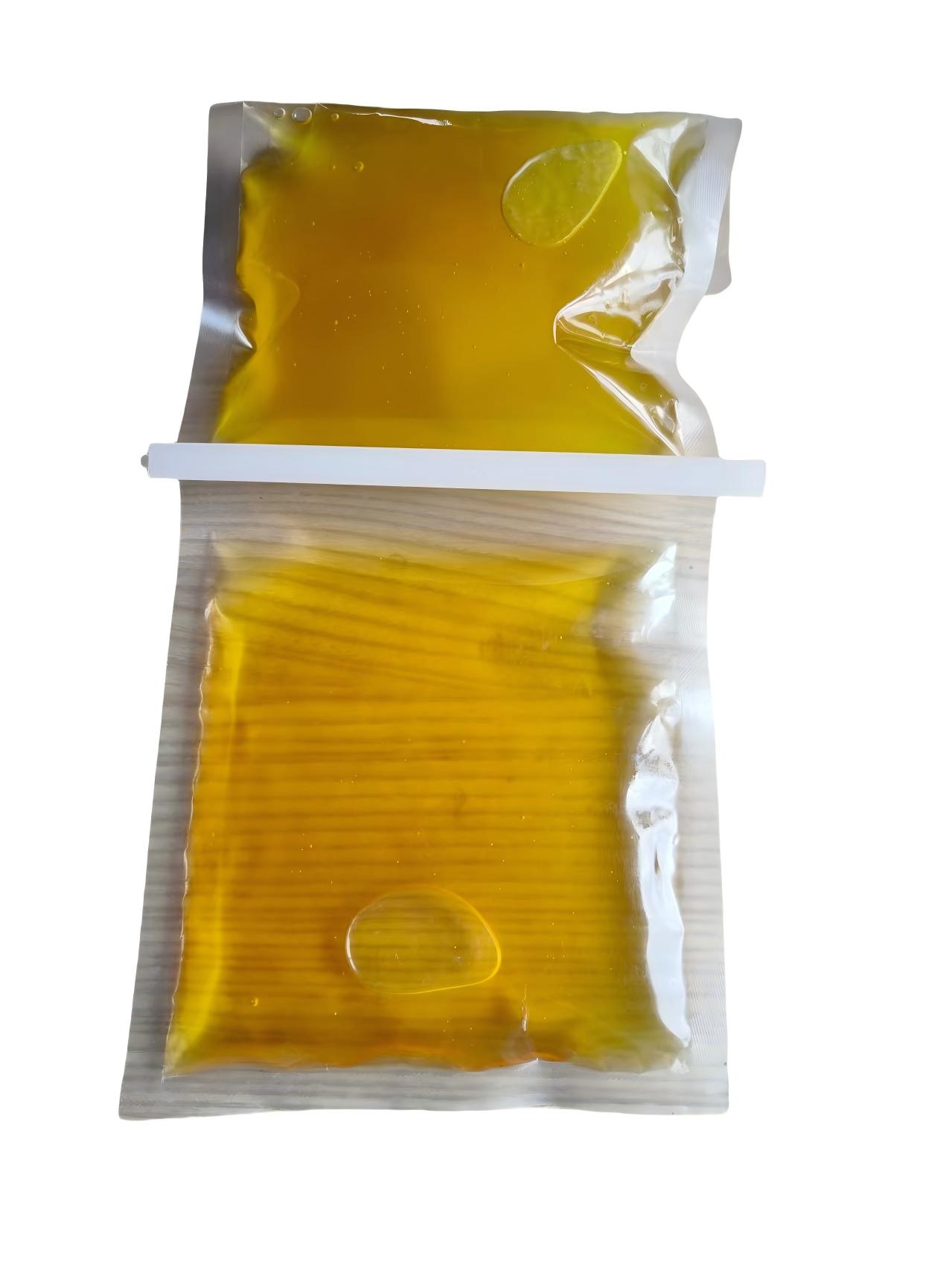
Taking our company's two products as an example, if the connection parts require certain flexibility and environmental adaptability, we can focus on considering cable joint filling resin; if we pay more attention to rigidity, structural stability and mechanical protection after curing, we can further evaluate the epoxy bottling compound.
Please refer to the following table for details:
| Selection Factors | Cable Joint Filling Resin | Epoxy Potting Compound |
| Electrical Insulation | Suitable for electrical insulation protection | Suitable for electrical insulation protection |
| Seal Protection | Suitable for cable connection sealing | Suitable for connection structure sealing |
| Flexibility Needs | Usually more suitable for scenarios that require some flexibility | Suitable for connection structure sealing |
| Mechanical Protection | Good | Usually strong |
| Heat Cycle Environment | Need to be evaluated based on specific formula | Need to be evaluated based on specific formula |
| Typical Application | Cable joints, connectors, connection areas | Electrical connections, fixed structures, potting protection |
| Procurement Priorities | Flexibility, sealing, insulation, construction performance | Hardness, adhesion, insulation, environmental adaptability |
It should be noted that the above comparison is mainly used for preliminary purchase selection, and the specific performance will still vary depending on the product formula and application conditions. For bulk procurement or engineering projects, it is recommended to conduct sample testing based on the actual cable materials, connection structures and working environment, and contact us to obtain relevant testing data to determine the final plan.
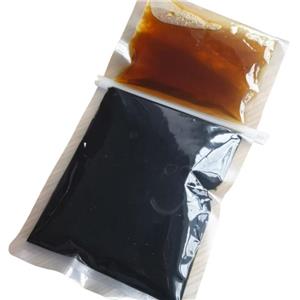
Cable Joint Filling Resin
Epoxy Potting Compound
Why Chose CCMT as a Cable Accessory and Sealing Solution Supplier?
Our company was established in 1986. After more than 40 years of industry accumulation, we have established a relatively complete R & D and production system. We have a modern production base of more than 10,000 square meters and more than 40 professional production equipment. Relying on such a huge production system, our monthly production capacity of sealing tape products can reach 500,000 meters.
More importantly, we don't just provide a single sealing material, but build a product system around cable connection and insulation protection. For cable accessory dealers, power engineering contractors, OEM manufacturers, and large project procurement customers, this means more systematic product matching around different voltage levels, cable structures and use environments.
For customers who need to purchase cable joint filling resin, epoxy bottling compound, and other cable sealing and insulation accessories, you can further consider the overall cable accessory solution from a single material purchase.
Conclusion: To Prevent Corrosion of Electrical Connections, Start with Sealing the Connections.
Corrosion at the cable connection often does not occur at the moment of completion of the connection, but is the result of the combined action of moisture, moisture, pollutants, temperature changes and long-term operation.
Therefore, how to prevent corrosion at cable connections? The answer is not just to choose an dddhhhanti-corrosion productdddhhh, but to establish a complete connection protection idea: reasonable connection process, reliable insulation structure, effective sealing measures, and potting materials that match the application environment.
If you are purchasing polyurethane potting sealant and epoxy potting sealant, CCMT can provide corresponding product matching and technical support based on your cable structure, application environment and project requirements to help you move from dddhhhcomplete connectiondddhhh to dddhhhprotective connectiondddhhh.